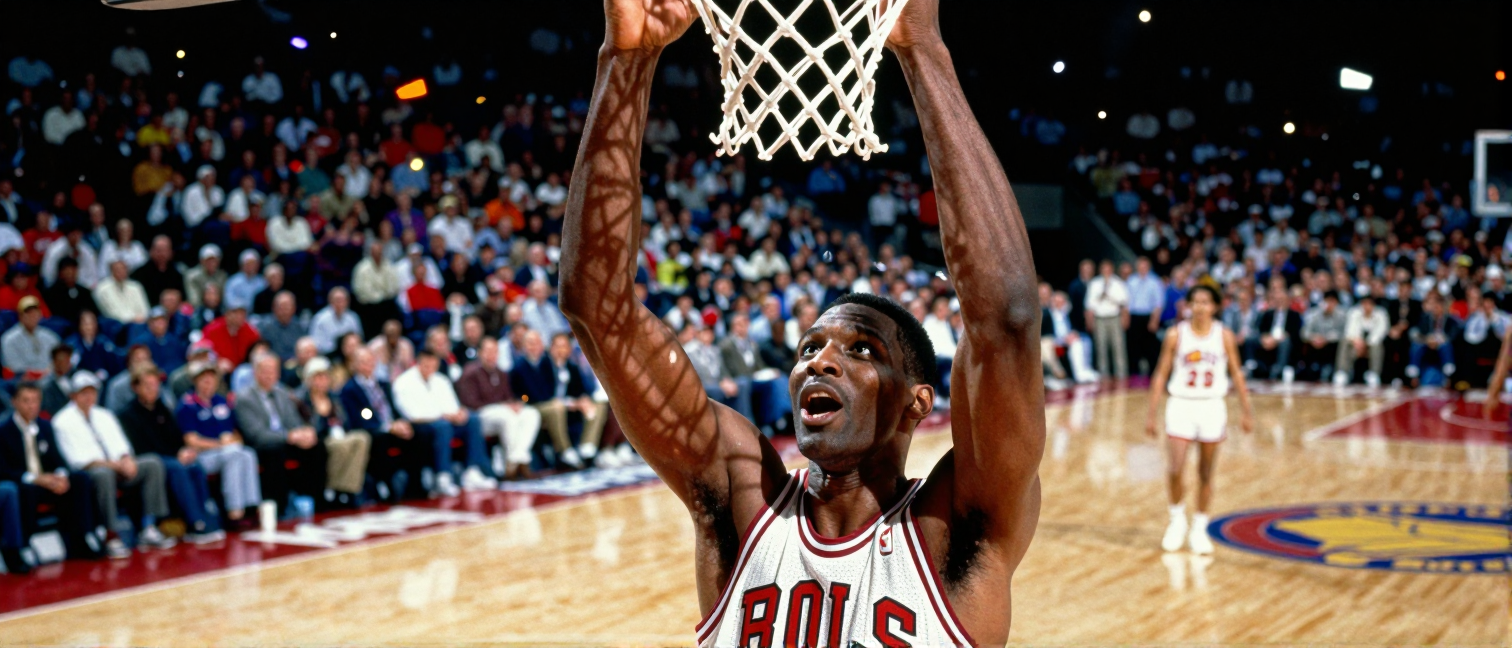
Wilt Chamberlain’s mythic status got a fresh boost on 7 July 2026 when Hall‑of‑Famer Dominique Wilkins told rapper T.I. that the 100‑point legend was also a premier playmaker, noting his 1967‑68 league‑leading 8.6 assists per game.
Why does Wilkins stress Chamberlain’s all‑around game?
Wilkins argued that fans and analysts often freeze Chamberlain in a single frame – the 100‑point night – while ignoring his 50‑point‑and‑30‑rebound seasons and his 1967‑68 assist crown. He said the big man “could do whatever he wanted because he was that skilled and that strong,” a nod to the rare combination of size, speed, and court vision that set him apart from his peers.
What evidence supports the broader skill set?
Statistically, Chamberlain topped the NBA in assists in 1967‑68, averaging 8.6 per game, a figure that still surprises modern fans. He also posted a career‑high 69‑13 record with the Lakers, won four MVP awards, and captured two championships – one with the Philadelphia 76ers and another with the Los Angeles Lakers. Those achievements illustrate a player who impacted the game on multiple fronts, not just scoring.
How did Chamberlain feel about the 100‑point focus?
In past interviews, Chamberlain expressed frustration that “people don’t talk about the 50‑point average, the 69‑13 Lakers championship team I played for.” He acknowledged the 100‑point game as a historic moment but warned that his other records – rebounds, assists, and durability – would be harder for future players to match.
Why does this matter for modern NBA narratives?
Wilkins’ reminder arrives as the league revisits its history during a wave of rule‑change discussions. Chamberlain’s dominance forced the NBA to widen the lane and adjust inbound rules, shaping the modern game’s flow. Recognizing his full résumé helps fans appreciate how a single athlete can drive structural evolution, not just compile headline‑grabbing numbers.
What can fans take away today?
The takeaway is simple: Wilt Chamberlain was a generational talent whose impact stretches far beyond a single scoring outburst. Whether he was bench‑pressing 600 pounds before games or handing out dimes to teammates, his all‑around excellence set a benchmark that still challenges today’s stars.
How will this perspective influence future discussions?
As analysts compare current superstars to past greats, Chamberlain’s assist title and championship pedigree will likely feature more prominently. Wilkins’ comments may spark a wave of articles and podcasts that re‑examine the “Big Dipper” through a broader lens, ensuring his legacy remains multidimensional.
What’s the next step for the conversation?
Expect more former players to weigh in, perhaps highlighting other overlooked facets of Chamberlain’s game – defense, conditioning, and leadership. The dialogue promises to keep the legend alive, reminding everyone that greatness isn’t measured by a single night but by a career that reshaped basketball.